

Hot Buttered Bourbon Cocktail
Ingredients
- 2 oz Locke + Co. Distilling Big Catch Bourbon
-
1 tbsp unsalted butter
-
1 tsp brown sugar
-
1 pinch of cinnamon and nutmeg
- Hot Water
Garnish
- Cinnamon Stick (Optional)
Glassware
- Irish Coffee Mug
Method
- Combine butter, sugar and spices in a mug.
- Pour in hot water until the butter is melted.
- Add Locke + Co. Big Catch Bourbon.
- Stir to combine.
- Garnish with a cinnamon stick.
- Serve and enjoy!


Maple Manhattan
Ingredients
- 2 oz Locke + Co. Distilling Big Catch Bourbon or Aspen Aged Rye
- 1 oz sweet vermouth
- ¼ oz maple syrup
- 2 dashes pecan bitters (optional)
Garnish
- Pecan or Cherry
Glassware
- Locke & Co Old Fashioned Glass or Coupe Glass
Method
- Combine ingredients in a mixing glass.
- Add ice.
- Stir to combine.
- Strain into chilled coupe or old fashioned glass.
- Garnish with a pecan or cherry.
- Serve and enjoy!

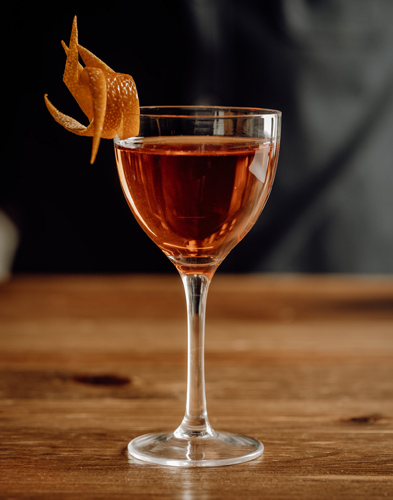
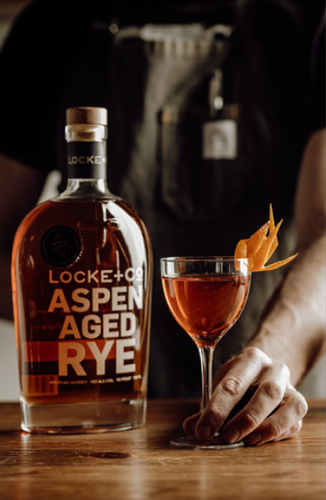
A-Frame
A batch-worthy riff on the classic Old Pal.
Ingredients
- 2 oz Locke + Co. Distilling Aspen Aged Rye
- ¾ oz Rockwell Extra Dry Vermouth
- ¼ oz Aperol
Garnish
- Orange Twist
Glassware
Method
- Combine ingredients in a mixing glass.
- Add ice.
- Stir to combine.
- Strain into a Nick & Nora glass.
- Garnish with an expressed orange twist.
- Serve and enjoy!
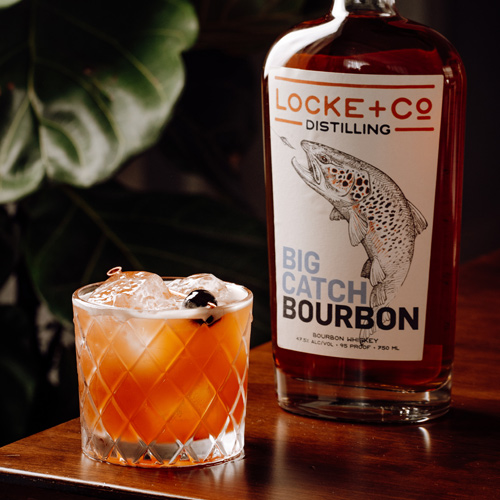
Turnstyle Cocktail
Turnstyle Cocktail Recipe
Ingredients
- 2 oz Locke + Co. Distilling Big Catch Bourbon
- ½ oz Cherry Liqueur
- ½ oz Lemon Juice
- ½ oz Brown Sugar Syrup (2:1 ratio of brown sugar to water)
Garnish
- Maraschino Cherry
Glassware
- Rocks Glass
Method
- Combine ingredients in a cocktail shaker three-quarters filled with ice
- Shake vigorously for 15 – 20 seconds
- Strain into rock glass container several medium sized ice cubes
- Garnish with a cherry
- Enjoy
Source


Revolver Cocktail
Revolver Cocktail Recipe
Ingredients
- 2 oz Locke + Co. Distilling Big Catch Bourbon
- ½ oz Coffee Liqueur
- ¼ oz Brown Sugar Syrup (2:1 ratio of brown sugar to water)
Garnish
- Orange Twist
Glassware
- Rocks Glass
Method
- Add several medium-sized ice cubes to a rocks glass
- Combine ingredients in glass
- Stir for 10 – 15 seconds
- Express orange peel over glass
- Twist orange peel and garnish on glass rim
Source
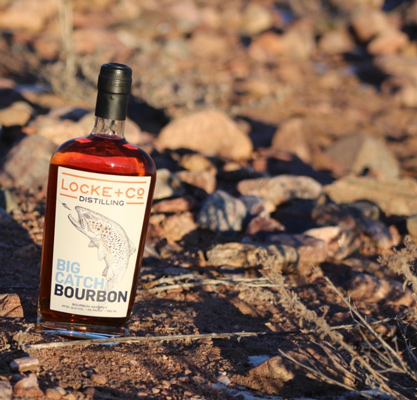
Big Catch Bourbon Wins Gold at 2024 Denver Spirits Competition
Big Catch Bourbon Brings Home Gold
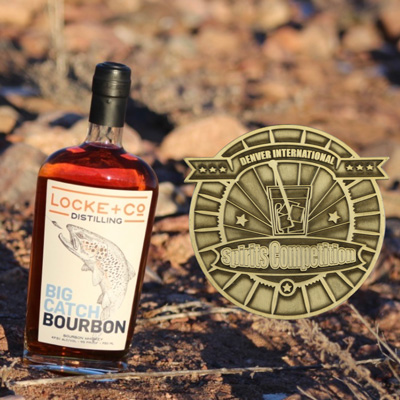
Our Big Catch Bourbon brought home Gold in the 2024 Denver International Spirits Competition!! Make sure to ask for it at your favorite Colorado bar, restaurant, and liquor outlet so you can pick up a bottle and try it yourself. For all of you outside of Colorado, hold tight as it will be available to order through our website very soon! Remember, whiskey is an Every Season Spirit so check out our Recipe page for some wonderful Spring + Summer cocktails to enjoy at your patio parties and garden get-togethers.
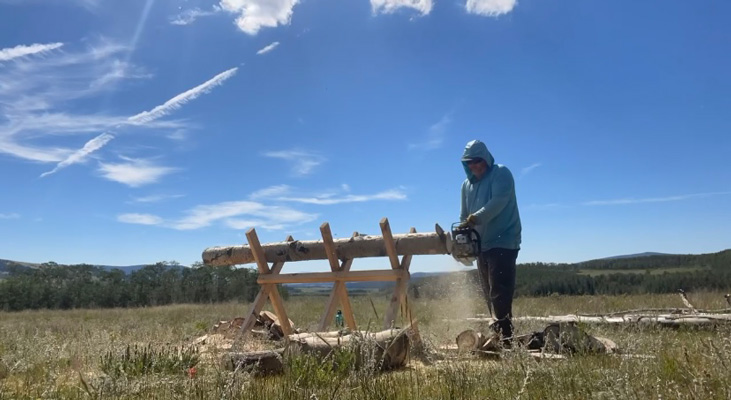
Harvesting Aspen for our Locke + Co Distilling Whiskey
Reliable and Sustainable Aspen Supply
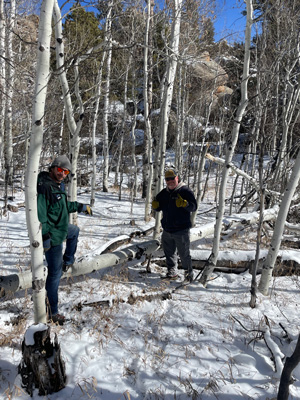
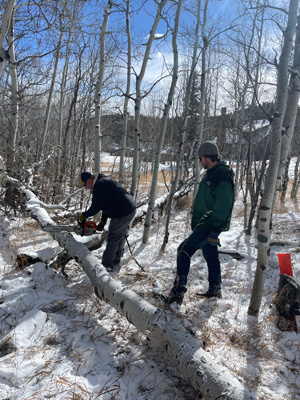
We hand cut the majority of the aspen wood we use in our whiskies from family property off of Weston Pass in the Mosquito Mountain Range in Central Colorado. Utilizing the family property in Park County, Colorado ensures we will have a reliable supply for decades to come of whiskey production. That being said, we are working with other ranches and private property owners around Colorado to help work on reducing our reliance on trees from a single property. Wildfires, fungi, and changing climate conditions present potential threats to the aspen tree so having multiple harvesting locations will help us manage any of these or other potential issues. Not to mention, we are exploring aspen from different areas and see if there are any notable differences in flavors imparted into our whiskey. Maybe we will find Denver aspen trees have slight differences than ones harvested at higher altitudes!
Criteria for Selecting Aspen Trees
When assessing which trees to harvest from any aspen stand, we focus on older and freshly fallen trees for several reasons. First off, removing the older trees growing in the groves, contributes to the aspen stand regenerating. As long as the aspen stand is healthy, when trees are removed it causes “vegetative regeneration by shoots and suckers arising along its long lateral roots.” We are helping stimulate new growth and strengthen the overall health of aspen trees in the areas we are harvesting.
Benefits of Harvesting Older and Fallen Trees
Secondly, by removing the freshly fallen trees, we are helping clear space for the new growth to expand into. Without the added room we help create by removing trees (both standing or fallen), the new growth has the potential of being “choked” out when competing in limited space. It should be noted that since we only use 10 – 20 trees from the family property (depending on height and diameter) per year, we are able to leave ample fallen tree trunks to decompose, contributing to the required addition of new nutrients to sustain healthy soil for all the forest’s vegetation.
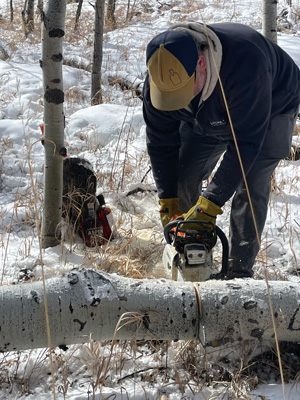
In addition, focusing on the older and freshly fallen aspen trees, we help remove potential fuel for forest fires. Despite aspen trees growing very well in fire-burn areas, we want to help ensure when fires do break out that they do not have excessive fuel causing undue destruction far over-shadowing the natural benefits of wildfires.
Lastly, by helping cull the aspen stands of olders and dead trees, it helps stimulate cross pollination of other aspen groves in the areas we harvest.
“Very few aspen seedlings survive in nature due to a variety of reasons including the short time a seed is viable, lack of moisture during seed dispersal, fungi, adverse day/night temperature changes, and unfavorable soil conditions.”
If we can help the aspen trees pollinate, creating as many seedlings as possible, the chances of new aspen stands growing and surviving increases. Anything we can do to help the aspen tree the better!
Source: US Forest Service
Using Sustainable Resources in Whiskey Production
We use vegetable-based bar-chain oil on our chainsaws to ensure only the flavors from the aspen wood are imparted into our whiskies. The bar-chain oil is essential to running chainsaws but as the movement of the chain distributes the oil along the guide bar and thus the chain, some of that oil gets spun off the chain onto the ground and the wood that is being cut. Using a vegetable-based oil ensures the wood does not get any petrol or other contaminants that have the potential of getting into our whiskey or into the soil that nourishes the aspen (and other growth on the property).
Paper Plane
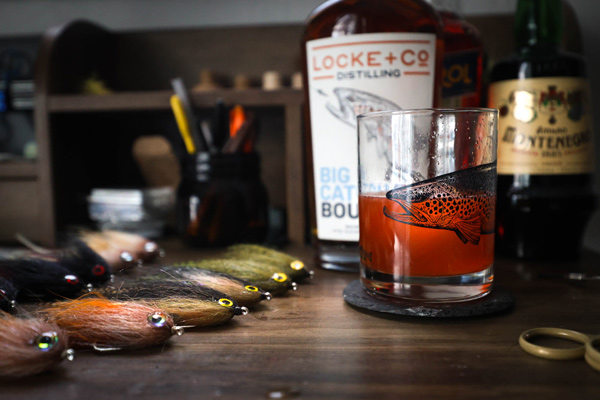
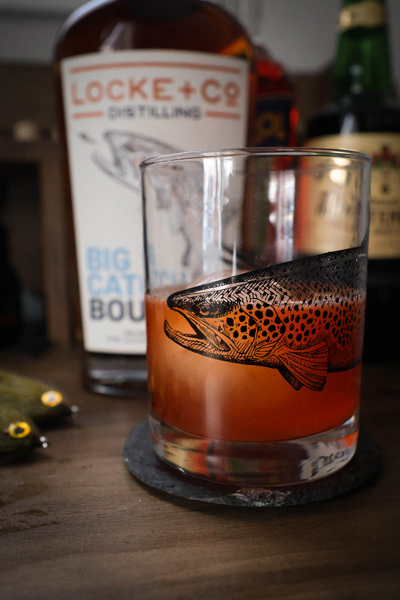
Paper Plane Recipe
Ingredients
- ¾ oz Locke + Co. Distilling Big Catch Bourbon
- ¾ oz Aperol
- ¾ oz Montenegro Amaro Liqueur
- ¾ oz Lemon juice, freshly squeezed
Glassware
Method
-
Combine ingredients in a cocktail shaker three-quarters filled with ice
-
Shake vigorously for 15 seconds
-
Strain into a RepYourWater Rocks glass
Source
A Locke + Co Distilling / Rep Your Water Collaboration Cocktail
The Best Colorado Whiskeys
Need help finding your next favorite Colorado whiskey? Whether you're after something big and bold or smooth and sippable, we’ve got you covered.
Top Colorado Whiskeys
- Locke + Co Big Catch Bourbon
- Stranahan’s Mountain Angel 12 Year
- Deerhammer Progeny Series
- Breckenridge Bourbon Madeira Finish
- Leopold Bros Foeder Series 25th Anniversary
- Laws Headwaters Series
- Old Elk Wheat Whiskey
- Mythology Best Friend Bourbon
- Molly Brown Single Barrel
- Ironton Single Malt
- 10th Mountain Hero to Hero Bourbon

bonus: a must try colorado gin
Maybe it’s our crystal-clear mountain waters, high altitude, or just a little bit of rugged frontier magic—whatever the case, Colorado continues to make waves in the whiskey world.
For 2026, we’re raising a glass to the best of the best in Colorado whiskey. Whether you’re sipping neat from your Glencairn, mixing up a killer cocktail, or just going full Colorado and drinking it straight from the bottle, these are the whiskeys you’ll want to hunt down this year.
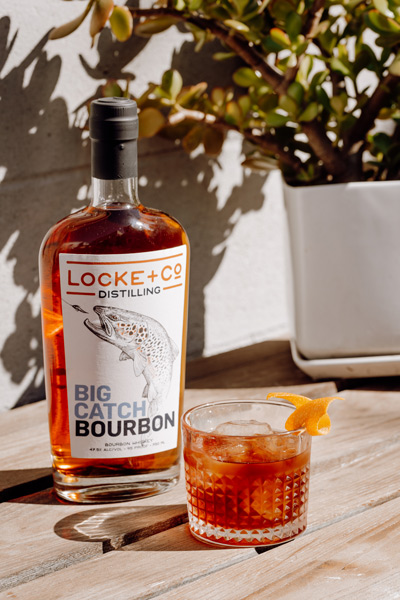
Locke + Co Big Catch Bourbon
We know putting ourselves at the top of the list is a bold move, but so is this bourbon. Big Catch Bourbon is everything we love about Colorado whiskey: complex, character-driven, and a little wild.
We took a high-rye, high-wheat mash bill, aged it for two years in 53-gallon oak barrels, and then added our signature touch of hand-cut, charred aspen wood discs—the same technique that makes our rye whiskey legendary. The result is a big, bold bourbon with a finish as long as a Colorado summer sunset.
Caramel, honey, and vanilla flavors lead the way, followed by maple, dried berries, and just the right amount of rye spice and black pepper to keep things interesting. Whether you’re sipping it neat, mixing up a killer Old Fashioned, or raising a glass by the campfire, Big Catch is the bourbon you’ll want in your rotation.
Stranahan’s Mountain Angel 12 Year
If you thought Stranahan’s Mountain Angel 10 Year was good, the 12-year version takes things to another level. Aged in charred oak barrels at Denver’s high altitude, this whiskey loses over 80% of its volume to evaporation—leaving behind a rich, ultra-concentrated spirit. With flavors of blueberry compote, raspberry cheesecake, ginger lemon tart, and a silky port wine finish, this one’s made for special occasions—or just a really good Tuesday night.
Deerhammer Progeny Series No. 4 – Vino Verso
The fourth edition of Deerhammer’s Progeny Series takes a wine-inspired turn with help from Carboy Winery. This American single malt whiskey ages three years in oak barrels, then another two years in a mix of Albariño, Gewürztraminer Brandy, and Bourbon Barrel Cider casks. The taste buds-to-brain-to-flavor palate pipeline will have you thinking blackberry jam, grilled peaches, sourdough, and lavender, with a finish of dried apples, toasted oak, and honeysuckle. This is Colorado craft whiskey at its most experimental—and it works.
Breckenridge Bourbon Madeira Finish
Take Breckenridge Bourbon, let it rest in Madeira wine casks, and you get a whiskey that’s big on flavor without being overly sweet. Maraschino cherry, plum, and smoked cherrywood lead the way, followed by hints of leather and dark chocolate—a must-have for fans of complex, layered bourbons.
Leopold Bros Foeder Series 25th Anniversary
For their 25th anniversary, Leopold Bros is doing something special. They blended an 8-year-old Three Chamber rye with a 5-year-old Maryland-style rye, then let it marry in a massive French oak foeder—courtesy of their friends at New Belgium Brewing. The result? A viscous, spice-forward whiskey with notes of baking spices, stone fruit, and a deep, layered complexity. If you can find it, grab it—this is a limited release you don’t want to miss.
Laws Headwaters Series
Laws Whiskey House isn’t just making exceptional whiskey—they’re also raising awareness about Colorado’s vital rivers. This three-year-old bourbon balances sweet tobacco, black tea, and vanilla custard with a dry, rich, and endlessly sippable finish. And every bottle helps support water conservation efforts, so you can drink good and do good at the same time.
Old Elk Wheat Whiskey
You don’t see a wheated whiskey every day, but Old Elk isn’t afraid to push boundaries. With a 95% soft red winter wheat mash bill, this six-year-old whiskey is bright, smooth, and refreshingly different. Notes of honey, peach, dried fig, and vanilla make it an easy drinker with a surprising depth.
Mythology Best Friend Bourbon
A blend of three bourbons, including a 15-year-old Kentucky bourbon, Mythology’s Best Friend Bourbon combines the best of sweet cornbread, cinnamon, honeycomb, and toasted almonds. Pipe tobacco, black currant, and a lasting vanilla warmth on the finish complete the profile. A best friend, indeed.
Molly Brown Single Barrel
A cask-strength, single-barrel whiskey that proves Molly Brown Spirits is one to watch. Each bottle is hand-selected and aged to perfection, developing rich oak, caramel, and spice layers. This is a true sipping whiskey—bold, smooth, and built for those who appreciate the art of barrel aging.
Ironton Single Malt
A Gold Medal winner, this 100% malted barley whiskey from Ironton Distillery is a love letter to Colorado’s brewing roots. Deeply roasted, slightly smoky, and layered with caramel, roasted pecan, and white chocolate, this one’s for single malt lovers looking for something different.
10th Mountain Hero to Hero Bourbon
This high-proof, mission-driven bourbon does more than taste good—it supports military veterans transitioning into first responder careers. At 116 proof, it packs a punch, but the balance of brown sugar, caramel, toffee, and oak makes it surprisingly smooth—a whiskey with heart and a finish that keeps on giving.
Bonus: A Must-Try Colorado Gin
Ballmer Peak Outback Aspen Gin
It’s not whiskey, but Ballmer Peak’s Outback Aspen Gin deserves a shoutout. They took an Australian-inspired base gin, aged it with charred aspen cuttings from Locke + Co rye barrels, and ended up with something floral, peppery, and ridiculously smooth. Think juniper, eucalyptus, and a touch of whiskey warmth—a Colorado-meets-Australia masterpiece.
So there you have it—our picks for the top Colorado whiskeys in 2025. Whether you’re a bourbon lover, single malt explorer, or rye whiskey aficionado, there’s something in the Centennial State to level up your whiskey game this year.
It’s time to get sipping.
Rye vs Bourbon: Everything You Need To Know
Trying to understand the differences between bourbon and rye?
This blog will clear things up for you.
In cocktails, toddies, and sipped around a campfire, bourbon and rye have equally delicious tastes that belong in any whiskey lover’s arsenal. But what makes these whiskeys different?
At Locke + Co. Distilling we’re passionate about the fine art of American rye whiskey, as well as delicious, sippable bourbon. We’re here to help you understand what makes each type of whiskey so special, so you’ll know what to reach for the next time you’re craving a deliciously sippable whiskey experience.
What is bourbon?
Many whiskey lovers erroneously believe that bourbon brands have to make their product in Kentucky. While that is not the case, bourbon must be made in the United States, or U.S. territories like Puerto Rico and Guam.
Bourbon is made with a fermented mash that uses corn as its base, meaning it must be at least 51% corn, plus other grains the distiller chooses like wheat, rye, or barley to complete the mash. It must be distilled to a maximum 80% alcohol by volume, and the final product must be diluted to go into the barrel at a maximum 65.5% ABV where the aging process begins.
The resulting distillation of whiskey is then matured in charred new oak barrels, preferably a charred American oak barrel if you’re going to do things right. It must then be bottled at a minimum alcohol content of 40% ABV.
With a smooth, silky mouthfeel and sweet taste, often featuring notes of vanilla, spices, and caramel, bourbon adds depth and complexity to any cocktail.
What is rye?
Unlike bourbon, rye doesn’t have to be made in the United States. While America is known for its tasty craft ryes—and is still considered the world’s leading rye producer by many connoisseurs—many other countries produce their own takes on rye. Canada has historically made terrific rye whiskey and Japan has become particularly popular in recent years for their fresh take on rye whiskies.
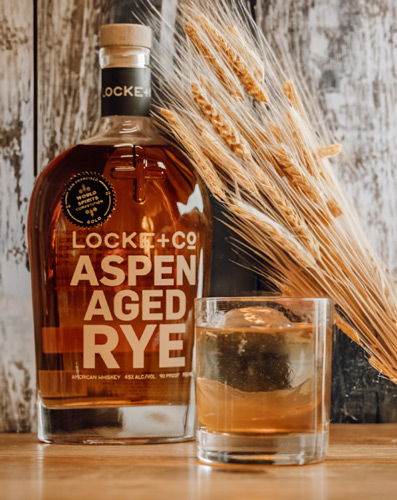
However, if your whiskey tasting features an American rye (and it should!), it has to follow a specific set of rye mashing rules, according to the flavor profile Mash Bill. Instead of corn, rye mash must contain 51% rye grain, as well as other grains such as wheat and malted barley.
The fermentation and distillation process for rye is almost identical to that of bourbon, including aging in barrels (oak barrels), and the minimum 40% ABV for bottling, going into the barrel at a maximum of 65.5% ABV..
Bold, assertive, and spicy, rye has a fullness of body and an assertive character that make it the star of many classic cocktails.
What are the main differences between rye and bourbon?
First, there’s the Mash Bill. Rye must be made from a majority rye grain base, while bourbon uses sweeter corn. This difference in formulation results in a difference in taste that many whiskey consumers learn to savor. Rye is spicier, more robust, and often features peppery, herbal, or even floral notes. Sweet bourbon is known for its caramel warmth and soft, rich flavor. It’s worth doing a side-by-side tasting so you can appreciate the dramatic difference a grain makes for yourself. BACK TO TOP
What role does the United States play in bourbon and rye production?
Whiskey has its roots in the earliest days of the American experiment. Rye whiskey was considered early America’s national spirit. It was the drink of choice for George Washington, who even distilled it at his Mount Vernon estate.
Because rye was easy to grow in the northeast, early colonists who had a history of distilling it in Europe brought their stills over so they could continue producing whiskey once they arrived. In fact, America’s first rye distillery was established by a Scottish immigrant named John Morgan in 1791.
Bourbon gained popularity in the US much later, catching on at the time of the Civil War. Settlers in Kentucky took advantage of an abundance of corn to begin crafting this distinctive regional spirit, which quickly became many Americans’ drink of choice. By the mid 1800s, bourbon production was booming, growing in popularity for its sweet and easy sipping flavor.
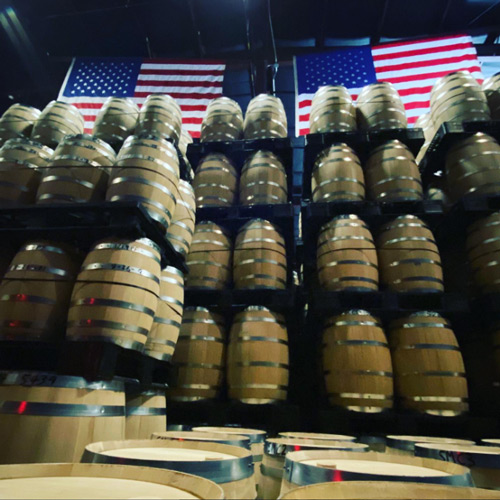
The US Code of Federal Regulations sets the legal requirements for distilling both bourbon and rye. This code establishes requirements for mash composition, the aging process, ABV requirements, and everything else that makes each of these spirits unique. So if you like your whiskey, thank Uncle Sam!
Locke + Co. Distilling: Our Approach to Rye and Bourbon
Our founders Rick and Owen were inspired to establish Locke + Co. Distilling because they wanted to reconnect to the roots of American rye and bourbon.
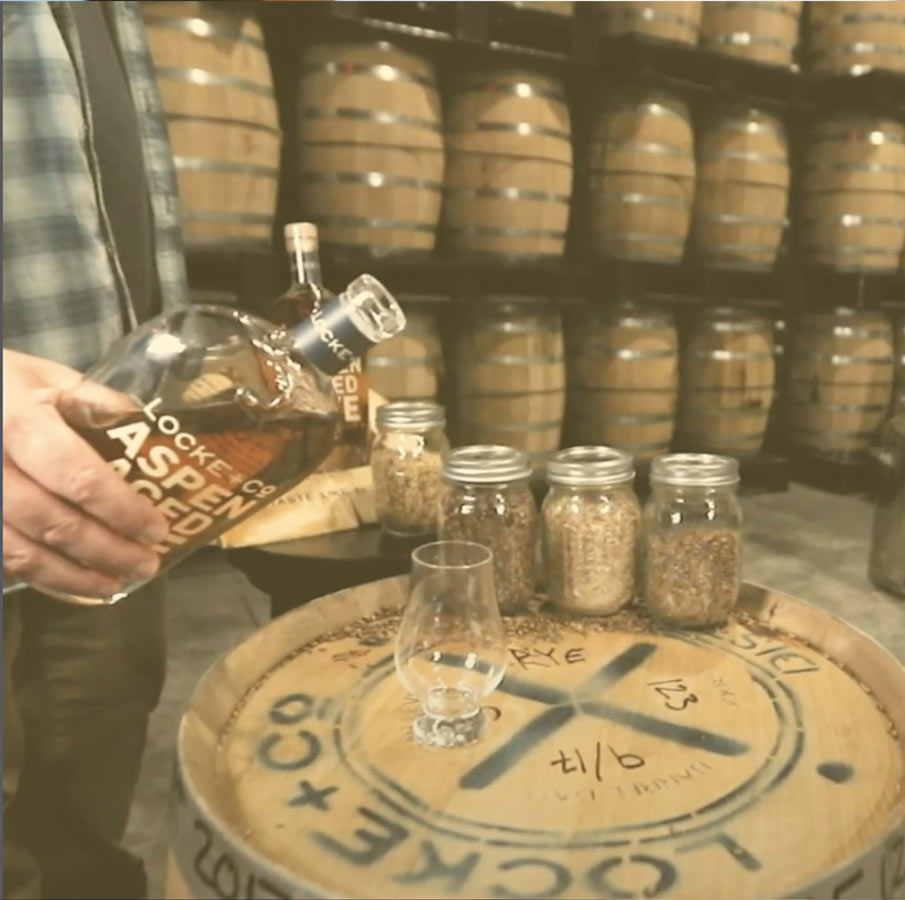
It all starts with hand-cutting the aging discs from mature stands of aspen on family land flanking Central Colorado’s Mosquito Range to use in our whiskies. From there, we follow the standards for creating classic ryes and bourbons to the letter, grounding our modern whiskeys in the old fashioned roots that continue to inspire whiskey excellence.
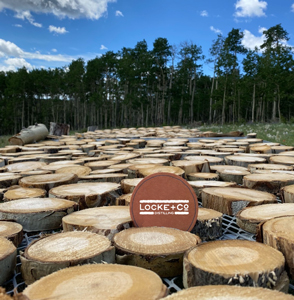
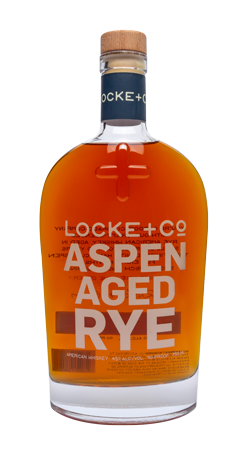
Our flagship Aspen Aged Rye Whiskey is aged two years in brand new 30-gallon American oak barrels from The Barrel Mill out of Minnesota, using char levels 2, 3, 4, and 5. Once the aging process is completed, we craft the whiskey in tanks and finish it with those hand-cut and hand-charred aspen wood discs, which float in the whiskey for an additional eight months to create a distinctively complex yet compulsively sippable dram.
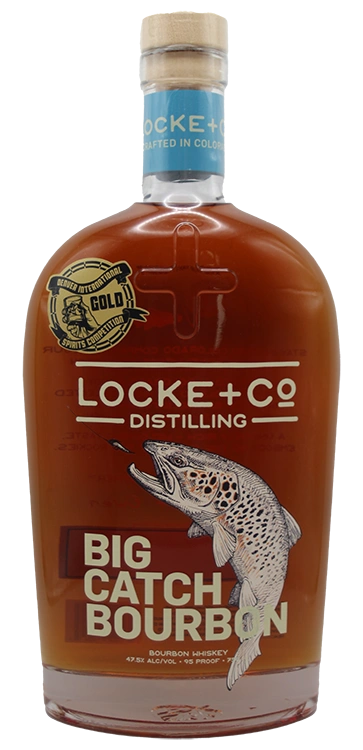
Our Big Catch Bourbon is aged even longer, spending three years in a new 30-gallon white American oak char 3 barrel, before being blended and finished with five months of exposure to our signature hand-cut and hand-charred aspen discs. Once the aging process is complete, we finish our bourbon for six weeks in a white American oak char 2 barrel that had been previously aging our rye whiskey for two years.
This long and intricate process creates a bourbon that’s sweet, indulgent, and just a little more interesting than your standard bourbons, with a little of that old fashioned rye attitude.
Conclusion
Corn-based bourbon is simple, sweet, and sippable, playing well with others and lending a caramel smoothness to your favorite whiskey cocktails. With a predominantly rye-based mash, rye has a more complex, grassy, peppery kick. Sassy yet sippable, it’s an American original that elevates even the simplest whiskey soda to new heights.
Understanding the differences between these two iconic spirits is a must for any serious whiskey lover. But don’t worry—we’d never make you choose a favorite! There’s more than enough whiskey love in our hearts to accommodate both rye and bourbon in all their glory